
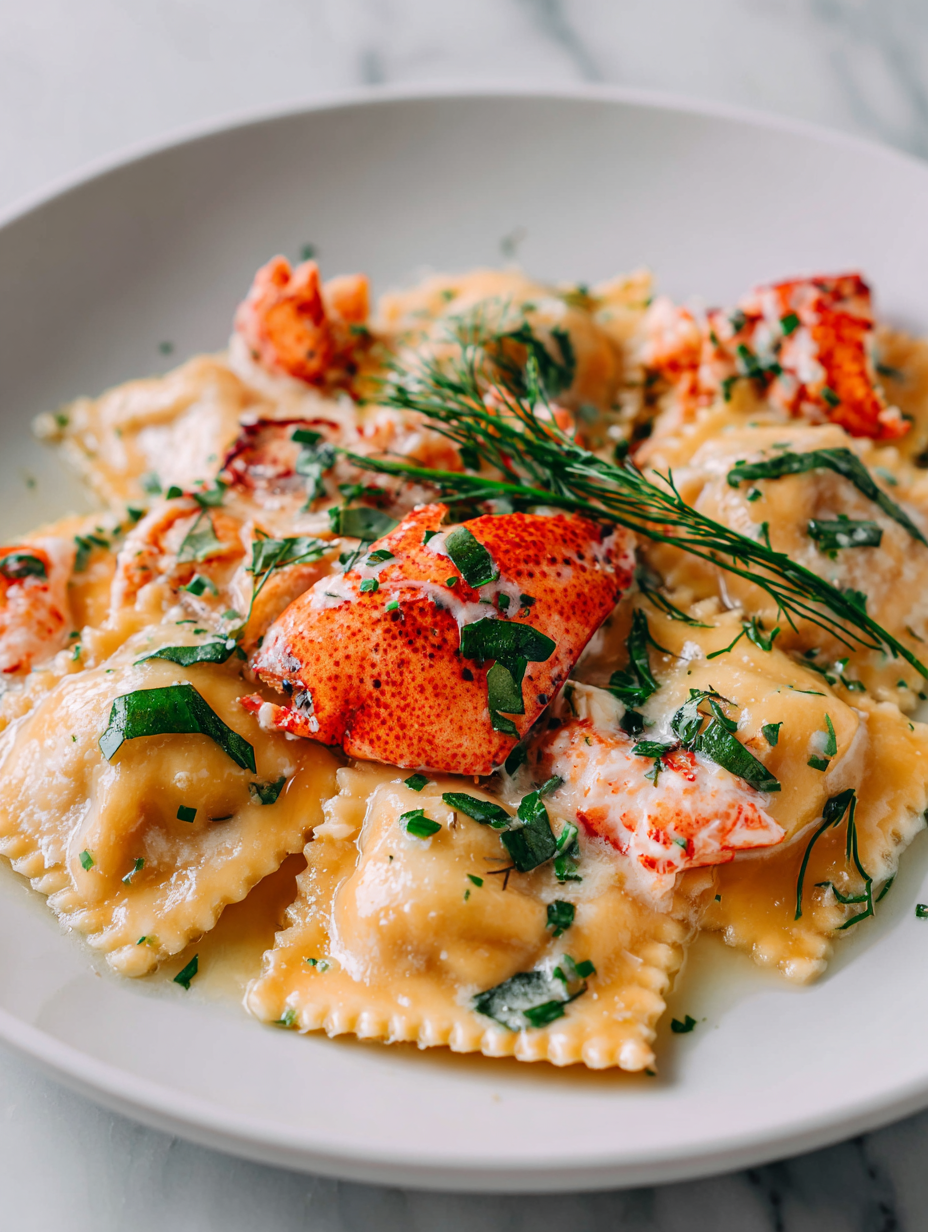
Lobster ravioli feels like a rare treat, but honestly, it’s more doable than you might think. I love how the sweet, briny lobster gets wrapped in tender pasta that holds everything together without feeling heavy. It’s one of those dishes that turns a simple dinner into a little celebration, especially when you’re craving something special but still want it to taste approachable.
I remember the first time I made lobster ravioli from scratch — the smell of lobster mingling with fresh pasta dough, that slight crunch on the edges when it’s perfectly cooked. It’s surprisingly forgiving if you keep an eye on the filling and don’t overwork the dough. Honestly, it’s become a go-to for impressing guests or just treating myself to a quiet night of indulgence.
Focusing on crafting lobster ravioli that balances rich seafood flavor with a homemade pasta that’s tender yet resilient, I see this dish as a way to elevate simple ingredients into a luxurious yet approachable meal, perfect for special occasions or when I need a comforting, impressive dinner.
A Seafood Twist on Homemade Pasta
- There’s a quiet thrill in wrapping lobster in fresh pasta, like giving a luxury gift to myself.
- The first time I cracked open a lobster to stuff into ravioli, I felt oddly proud — a little chef’s victory.
- Cooking lobster ravioli feels like a special secret; it turns an ordinary night into something memorable.
- Sharing this dish with someone I love, watching their eyes light up, makes all the effort worth it.
- I still get excited smelling that rich seafood aroma filling the kitchen — it’s pure comfort and celebration.
A Seafood Twist on Homemade Pasta
- Making lobster ravioli felt like reclaiming a bit of luxury I used to think was out of reach. I remember the first time I tried to make it—I was nervous, worried I’d overcook the lobster or mess up the delicate pasta. But once I got into the rhythm, it became clear that this dish is more about patience and love than technical mastery.
- There’s something about wrapping tender lobster meat in homemade pasta that makes me feel like I’m creating a tiny, edible treasure. It’s a dish that’s rooted in celebration, yet surprisingly forgiving if you keep a gentle hand on the dough and filling. Every time I cook it, I think about how a simple ingredient like lobster can turn a regular dinner into a special occasion.
- heading: “A Seafood Twist on Homemade Pasta”
Lobster Ravioli Trivia
- Lobster ravioli is believed to have roots in Northern Italy, where seafood and pasta dishes blend coastal flavors with traditional doughs.
- The combination of lobster and pasta gained popularity in the American Northeast during the 20th century, especially among seaside communities seeking luxe comfort food.
- In some regions, lobster ravioli was once considered a special-occasion dish due to the cost of lobster, making it a symbol of celebration and indulgence.
- Quirky trivia: The first commercial lobster ravioli was reportedly served in a high-end New York restaurant in the 1980s, sparking a wave of gourmet seafood pasta dishes.
Ingredient breakdown: key components
- Lobster: I love using fresh lobster for that sweet, briny flavor; if unavailable, langoustine makes a good stand-in with a slightly milder taste.
- Pasta dough: I prefer a simple egg-based dough that’s tender but holds up well when stuffed; skip overworking it to avoid toughness.
- Filling: A mix of chopped lobster, ricotta, and lemon zest creates a silky, bright interior; if you want more richness, add a touch of mascarpone.
- Herbs & seasonings: Fresh chives or tarragon add a subtle herbal note that complements the lobster’s sweetness—don’t skimp on fresh herbs.
- Butter & lemon: A burst of lemon juice in the sauce makes the flavors pop, while browned butter adds nutty depth—use unsalted butter for control.
- Stock or broth: A splash of seafood stock enhances the sauce, giving it an umami richness—if you’re out, a quick veggie broth works in a pinch.
- Pasta wrapper: I prefer thinly rolled pasta to keep the ravioli delicate but resilient—if it tears, gently patch with a tiny bit of water and press.
Spotlight on key ingredients
Lobster:
- I love the sweet, briny aroma it releases when cooked; it becomes more intense as it warms, with a satisfying, slightly chewy texture that holds beautifully inside the pasta.
- When chopped finely, it becomes tender and releases its rich juices into the filling, making every bite feel luxurious and seafood-forward.
Pasta dough:
- I prefer a silky, elastic dough that’s easy to roll thin without tearing—watch for a slightly tacky feel, which means it’s just right.
- When cooked, it should be tender yet resilient, with a delicate chew that enhances the filling inside without feeling doughy or gummy.
Notes for ingredient swaps
- Seafood Alternatives: Langoustine or crayfish can replace lobster, offering similar sweetness but different textures.
- Pasta Flour: Use semolina for a more rustic bite, or gluten-free blends if you’re avoiding wheat without sacrificing too much texture.
- Ricotta: Cottage cheese can work in a pinch, though it’s slightly grainier—drain well to mimic creaminess.
- Herbs & Zest: Chives or tarragon add herbal brightness; basil or parsley can give a fresh, green note instead.
- Butter & Lemon: Use browned butter for nuttiness, or a splash of white wine vinegar for tang—whichever brightens the dish.
- Broth or Stock: Fish or seafood stock deepens flavor; vegetable broth keeps it lighter if seafood isn’t available.
- Pasta Wrappers: Phyllo sheets can be a thin alternative, but handle carefully to avoid tearing and losing delicate shape.
Equipment & Tools
- Pasta machine: Rolls dough thinly for delicate, even sheets.
- Large pot: Boils pasta and lobster efficiently.
- Mixing bowl: Prepares filling and combines ingredients.
- Piping bag or spoon: Places filling accurately on pasta sheets.
- Fluted cutter or knife: Cuts ravioli into uniform shapes.
Step-by-step guide to lobster ravioli
- Gather your equipment: a pasta machine, a large pot, a mixing bowl, a piping bag or spoon, and a small bowl of water for sealing. Keep everything within reach to stay organized.
- Prepare the pasta dough: Mix 2 cups of all-purpose flour with a pinch of salt on a clean surface. Make a well, crack in 2 large eggs, and gently incorporate. Knead until smooth, about 8-10 minutes. Wrap in plastic and rest for 30 minutes.
- While dough rests, cook the lobster: Bring a pot of salted water to 85°C (185°F). Drop in the lobster tail, cook for 4-5 minutes until just opaque. Remove, cool slightly, then chop finely. Set aside.
- Make the filling: Combine chopped lobster, 1 cup ricotta, 1 teaspoon lemon zest, salt, pepper, and a handful of chopped chives. Mix gently until well combined. Chill for 15 minutes.
- Roll out the pasta: Divide dough into four pieces. Using a pasta machine, roll each piece to the thinnest setting. Dust lightly with flour to prevent sticking.
- Assemble the ravioli: Place teaspoons of filling about 2 inches apart on half of the pasta sheet. Lightly dampen the edges with water. Fold over and press to seal, removing air bubbles. Cut into individual ravioli using a fluted cutter or knife.
- Cook the ravioli: Bring a large pot of salted water to a gentle boil, 90°C (194°F). Gently drop in the ravioli. Cook for 3-4 minutes until they float and are tender but not breaking apart.
- Finish with sauce: In a skillet, melt 2 tablespoons unsalted butter over medium heat until golden and fragrant (around 3-4 minutes). Add a squeeze of lemon juice. Gently toss drained ravioli in the butter sauce, ensuring they are well coated.
- Rest and plate: Let the ravioli sit for a minute in the sauce to absorb flavors. Plate carefully, spooning extra butter sauce over the top. Garnish with fresh herbs if desired.
Let cooked ravioli rest a minute in the sauce to absorb flavors. Serve immediately, garnished with fresh herbs or a squeeze of lemon for brightness.
How to Know It’s Done
- Ravioli float and are tender when cooked through.
- Pasta edges are sealed without gaps or air pockets.
- Lobster filling is bright, not overcooked, with a slight jiggle.
Lobster Ravioli
Ingredients
Equipment
Method
- Start by mixing the flour and eggs on a clean surface to form a smooth, elastic dough. Wrap it in plastic and let it rest for 30 minutes; this relaxes the gluten and makes it easier to roll out.
- While the dough rests, bring a large pot of salted water to a gentle simmer around 85°C (185°F). Drop in the lobster tail and cook for about 4-5 minutes until it turns opaque and fragrant. Remove, cool slightly, then chop the lobster meat finely.
- In a mixing bowl, combine the chopped lobster, ricotta, lemon zest, chopped chives, salt, and pepper. Mix gently until smooth and well incorporated. Chill this filling while you prepare the pasta sheets.
- Divide the rested dough into four portions. Using your pasta machine, roll each piece to the thinnest setting, dusting lightly with flour to prevent sticking. Keep the sheets covered with a damp cloth to stay moist.
- Lay one sheet flat and spoon teaspoons of the lobster filling about 2 inches apart on one half. Lightly dampen the edges with water using your finger or a brush. Fold the sheet over the filling and press gently to seal all edges, removing any air bubbles.
- Use a fluted cutter or knife to cut between the filled mounds, creating individual ravioli. Place the cut ravioli on a floured tray as you go, ensuring they don’t stick together.
- Bring a large pot of salted water to a gentle boil, around 90°C (194°F). Carefully drop the ravioli into the water and cook for 3-4 minutes until they float and are tender.
- Meanwhile, melt the butter in a skillet over medium heat until it turns golden brown and fragrant, about 3-4 minutes. Add lemon juice and stir gently to combine.
- Using a slotted spoon, transfer the cooked ravioli to the skillet, tossing gently to coat them in the browned butter sauce. Let them sit for a minute to soak up the flavors.
- Plate the ravioli carefully, spooning extra sauce over the top and garnishing with chopped chives. Serve immediately while warm and fragrant.
Pro tips for perfect lobster ravioli
- Bolded mini-head: Use a pasta machine to roll dough thinly for delicate ravioli. It ensures even, tender wrappers.
- Bolded mini-head: Chill your lobster filling before assembling. Cold filling seals better and prevents leaks during cooking.
- Bolded mini-head: When sealing edges, dampen with water to help pasta stick and prevent gaps or air pockets.
- Bolded mini-head: Cook lobster just until opaque; overcooking makes it rubbery, which ruins the luxurious texture.
- Bolded mini-head: Brown butter adds a nutty depth—watch closely, it can go from perfect to burnt in seconds.
- Bolded mini-head: Rest cooked ravioli briefly in warm water after boiling; it helps them reabsorb moisture and stay tender.
- Bolded mini-head: For a brighter flavor, finish the sauce with a squeeze of fresh lemon just before serving.
Common mistakes and how to fix them
- TOO MUCH PASTA: Overworking dough makes it tough; gently knead until just smooth.
- UNDERCOOKED LOBSTER: Sear briefly or it will be rubbery and flavorless inside.
- SEALING FAILURE: Not moistening edges causes leaks; use a damp brush for a proper seal.
- OVERBOILING RAVIOLI: Boil gently; vigorous boil causes tearing and disintegration.
Quick fixes and pantry swaps
- If sauce shimmers, splash a dash of lemon juice to brighten flavors.
- When ravioli stick, dust with extra flour and gently separate with a spatula.
- Splash cold water on a boil-over to tame the steam and prevent scorching.
- Patch tears in pasta with a tiny dab of water and press gently to seal.
- When in doubt, freeze uncooked ravioli for 5-10 minutes for easier handling before cooking.
Prep, store, and reheat tips
- Prep the lobster filling a day ahead; keep chilled in an airtight container, maintaining its fresh, briny aroma.
- Assemble and seal the ravioli up to 4 hours in advance; store on a lightly floured tray, covered with plastic wrap in the fridge to prevent drying out.
- Cooked ravioli can be stored in the fridge for up to 24 hours; gently reheat in warm, lightly salted water until just heated through, watching for delicate texture.
- Frozen ravioli keeps well for up to 2 months; flash freeze on a tray first, then transfer to a sealed bag. Cook directly from frozen, adding a minute or two.
- Reheating the cooked ravioli in butter or a quick warm sauce helps restore moisture and flavor, with a slight aroma of toasted butter and seafood.
Lobster Ravioli FAQs
1. Can I use frozen lobster?
Fresh lobster gives the best flavor, but frozen can work if you thaw thoroughly and pat dry. The texture might be slightly softer, but the briny sweetness still shines.
2. How do I avoid overcooking lobster?
Yes, overcooked lobster gets rubbery. Cook it just until it turns opaque, about 4-5 minutes for a tail, then cool before chopping.
3. Can I roll pasta by hand?
Use a pasta machine for thin, even sheets. If you don’t have one, roll dough as thin as possible with a rolling pin, but be gentle to prevent tearing.
4. How do I prevent ravioli from leaking?
Seal ravioli edges with a little water using your finger or a brush. Make sure there are no air pockets, or they might burst open during boiling.
5. How do I know when ravioli are cooked?
Cook the ravioli in gently boiling salted water, around 90°C (194°F). They’re done when they float and are tender, about 3-4 minutes.
6. Should I add lemon to the sauce?
To keep the lobster flavor bright, add a squeeze of lemon juice to the browned butter sauce. It lifts the richness and adds freshness.
7. What if my pasta tears during sealing?
If the pasta tears, patch it with a tiny bit of water and press gently. Keep calm and handle with care to avoid ripping the delicate dough.
8. How do I reheat leftover ravioli?
To reheat, gently warm cooked ravioli in a little butter or sauce in the skillet for a few minutes until heated through. Avoid boiling, which can make them mushy.
9. Can I make the filling in advance?
You can prepare the filling a day ahead. Keep it chilled, covered tightly, and assemble the ravioli within a few hours for best freshness.
10. What if my sauce separates?
If the sauce shimmers or separates, splash a tiny bit of lemon juice or cold water, then gently stir to restore cohesion and shine.
Making lobster ravioli feels like a small act of luxury, a way to bring a bit of celebration into an ordinary night. It’s a dish that’s rooted in patience and care, but the reward is a tender, briny bite that makes every effort worth it.
In the end, it’s about the joy of working with good ingredients and creating something memorable from scratch. This dish might be simple in concept, but its flavor lingers, reminding me why I love cooking at home.

Hi, I’m Daniel Whitaker, the voice behind Micromanaging Flavor. For me, micromanaging flavor is not about perfectionism. It is about paying attention. It is about understanding the small adjustments that turn a good dish into a great one. This blog is my space to explore those details and share what I learn along the way.
