
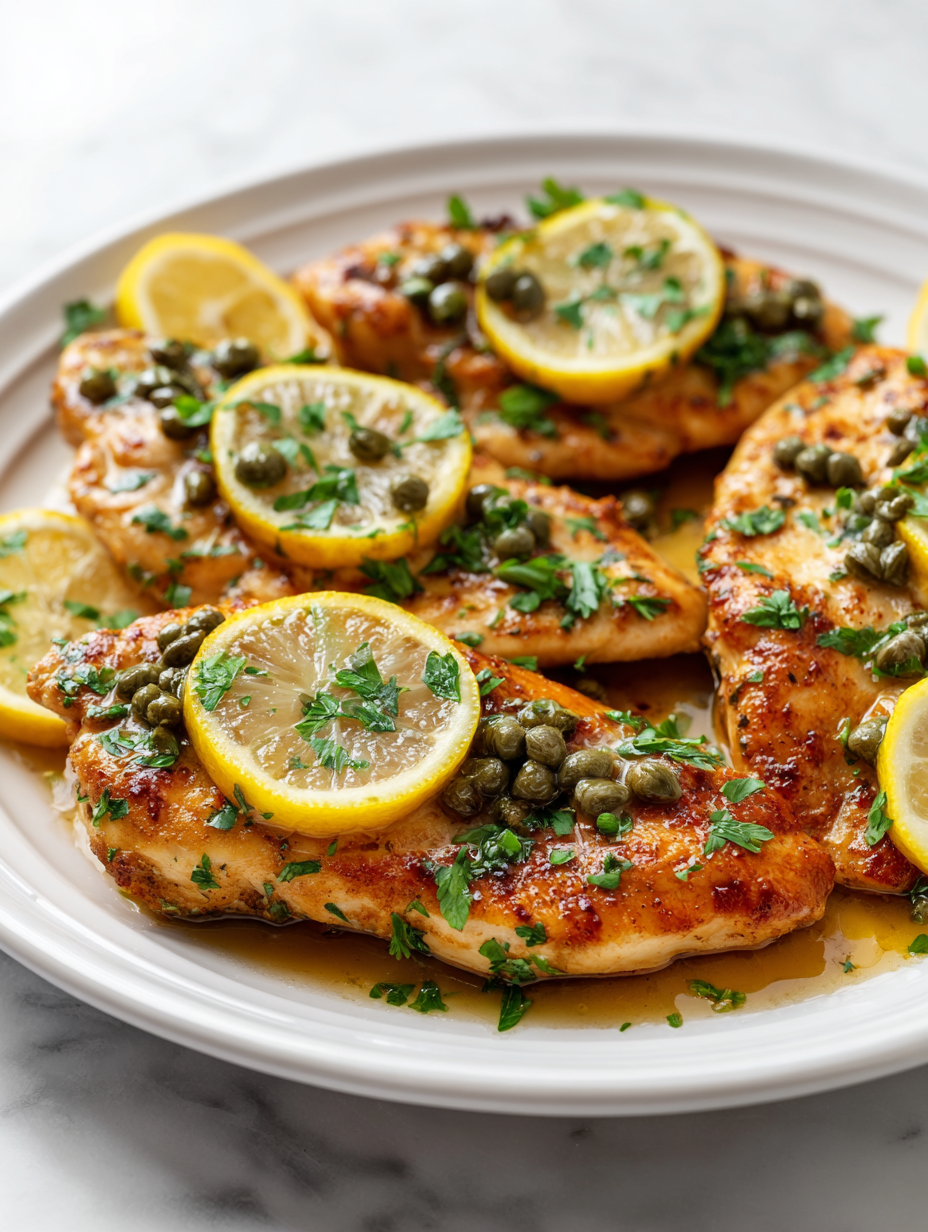
Transforming a delicate, citrusy classic into a hands-off, slow-cooked comfort meal that retains brightness and zing. I’ve always loved chicken piccata for its lively lemon and caper punch, but making it on the stove felt like a race against time—until I discovered the slow cooker. Now, I get all those vibrant flavors without the fuss, and it’s perfect for busy nights or lazy weekends. It’s one of those recipes that feels fancy but is honestly so simple to toss together.
This version is a little messy but in the best way—think tender chicken, a bright, tangy sauce that’s just thick enough, and that irresistible aroma of lemon and garlic filling the kitchen. It’s a practical trick I use when I want flavor without standing over a hot pan. Plus, leftovers are fantastic tossed over pasta or rice, making it a real weeknight hero.
There’s something about letting the crockpot do the heavy lifting that makes this dish feel like a small victory. It’s a reminder that good, bright flavors don’t have to be complicated or time-consuming. Sometimes, the simplest tweaks—like adding a splash of white wine or a handful of fresh herbs—can turn a humble meal into something you actually look forward to eating.
Transforming a delicate, citrusy classic into a hands-off, slow-cooked comfort meal that retains brightness and zing.
A Lazy Day Fix for Bright Flavors
- I love how this dish lets me enjoy bright, punchy flavors without the fuss of constant attention.
- There’s a quiet satisfaction in coming home to a warm, fragrant kitchen filled with lemon and garlic scents.
- I used to shy away from slow-cooking anything citrusy, but this recipe proved you can have both zesty and tender in one pot.
- Sharing this with friends feels like a small celebration—simple, flavorful, and surprisingly elegant for a weeknight dinner.
- It’s one of those recipes that makes me feel clever—like I’ve cracked the code for easy, bright chicken every time.
The inspiration behind this dish
- This dish came together one chaotic evening when I was low on energy but craving something bright and satisfying. I remembered a restaurant I visited that did a slow-cooked chicken with lemon and capers, and I wondered if I could mimic that at home without much fuss. Turns out, the crockpot handles it perfectly—tender, flavorful, and with almost no active prep. It’s become my go-to for busy nights that demand comfort without complexity.
- I love how the slow cooker preserves the lively citrus and briny punch of the original, but turns it into something more forgiving, more forgiving, and just as vibrant. Over time, I’ve tweaked the balance between lemon and broth, added a splash of white wine for depth, and found that the magic lies in letting it simmer until everything melds beautifully. It’s a dish that reminds me that simple ingredients, when treated right, can shine without fuss.
- heading
- story_type
Trivia and origins of chicken piccata
- Chicken piccata has roots in Italian cucina povera, where bright, simple ingredients made everyday meals special.
- The use of capers and lemon in this dish dates back to medieval Italy, symbolizing preservation and fresh flavor.
- Slow-cooking versions of traditionally quick dishes like piccata are a modern twist, born from a desire for convenience without sacrificing zest.
- This recipe adapts a classic for busy weeknights, reflecting the trend of transforming sophisticated flavors into one-pot wonders.
Ingredients at a Glance
- Chicken breasts: I prefer boneless, skinless for quick cooking and tender bites—just watch for overcooking, they can dry out. You might try thighs for more juiciness if you like a richer flavor.
- Lemon juice: Freshly squeezed brightens everything, especially the broth. If you’re out, a good bottled lemon juice can do in a pinch, but it won’t have the same zing.
- Capers: I love their salty punch that cuts through the richness—don’t rinse too much, or you’ll lose that briny burst. If you want less salt, try rinsing lightly or reducing the quantity.
- Garlic: Use fresh garlic cloves for the best aroma—mash them slightly before tossing in. Dried garlic powder will work in a pinch but won’t give that punchy, fragrant aroma.
- Chicken broth: Homemade or low-sodium store-bought both work. If you want more depth, splash in a bit of white wine, but keep an eye on the salt level. The aroma of simmering broth should be savory and inviting.
- Butter: Adds richness and smoothness to the sauce—use real butter, not margarine, for authentic flavor. If dairy-free, a splash of olive oil can add some body but will alter the finish slightly.
- Flour (for thickening): I use a little to help the sauce coat the chicken nicely—opt for cornstarch if you’re gluten-free. The sauce should turn glossy and slightly thickened, not gloopy.
Spotlight on key ingredients
Capers:
- I love how their salty, briny punch adds a surprising depth. They soften slightly during slow-cooking, becoming tender yet still flavorful.
- When cooked, they turn a bit milder but retain that oozy, salty burst that cuts through the richness of the sauce.
Lemon juice:
- Freshly squeezed brightens everything—look for a vibrant, citrusy aroma that makes the sauce pop. It mellows slightly as it cooks, deepening the flavor.
- During simmering, it turns silky and fragrant, with a subtle tang that brings the dish to life—don’t skip the zest if you can.
Notes for ingredient swaps
- Dairy-Free: Swap butter for olive oil or coconut oil. You’ll miss some richness, but the sauce will still shine with lemon and capers.
- Gluten-Free: Use cornstarch instead of flour to thicken the sauce. It’s a clean swap that keeps the sauce glossy and smooth.
- Vinegar Option: Replace white wine with a splash of apple cider vinegar or white wine vinegar. Adds tang without alcohol, but keep an eye on acidity balance.
- Lemon Juice: Bottled lemon juice works in a pinch, though fresh lemon zest and juice bring a brighter, zestier punch to the sauce.
- Capers: Rinse lightly if you want less salt and brine, or skip them altogether for a milder, less salty flavor. Try chopped green olives as a salty alternative.
- Chicken: Thighs can replace breasts for more juiciness and flavor—just adjust cooking time to avoid overcooking.
- Broth: Chicken or vegetable broth works fine. For a richer taste, add a splash of white wine or a teaspoon of soy sauce for umami depth.
Equipment & Tools
- 6-quart slow cooker: Main cooking vessel for long, gentle simmering.
- Tongs: To handle and transfer chicken safely.
- Small whisk: To stir and thicken the sauce smoothly.
- Measuring cup: For accurate lemon juice and broth measurements.
- Skillet: For searing chicken and building flavor with browned bits.
Step-by-step guide to crockpot chicken piccata
- Gather your equipment: a 6-quart slow cooker, tongs, a small whisk, and a measuring cup.
- Pat the chicken breasts dry with paper towels. Season generously with salt and pepper.
- Heat a skillet over medium-high heat (about 180°C/350°F). Add a tablespoon of oil. Sear chicken for 2-3 minutes per side until golden brown. Transfer to the slow cooker.
- In the same skillet, add minced garlic and cook until fragrant, about 30 seconds. Pour in chicken broth, lemon juice, and a splash of white wine if using. Scrape up any browned bits. Bring to a simmer.
- Pour the sauce mixture over the chicken in the slow cooker. Sprinkle with capers. Cover and cook on low for 4-5 hours, until chicken is tender but not shredded.
- Once cooked, carefully remove chicken breasts with tongs. Set aside on a plate. Turn the slow cooker to high, and whisk in a teaspoon of flour or cornstarch to thicken the sauce. Let it simmer for 10-15 minutes until glossy and slightly reduced.
- While sauce thickens, let the chicken rest for about 5 minutes. Then, slice or serve whole, spoon sauce over the top, and garnish with fresh parsley if desired.
- Plate the chicken with a drizzle of the lemony caper sauce. Serve over rice, pasta, or with crusty bread.
Let the chicken rest for 5 minutes after cooking to retain juices. Spoon the sauce generously over the chicken. Serve immediately, garnished with chopped parsley or lemon slices for extra brightness.
How to Know It’s Done
- Chicken should be tender but hold its shape, with a slight jiggle in the center.
- Sauce should be glossy, fragrant with lemon and garlic, and slightly thickened.
- Internal temperature of chicken reaches 74°C/165°F for safety.
Slow Cooker Chicken Piccata
Ingredients
Equipment
Method
- Pat the chicken breasts dry with paper towels, then season generously with salt and pepper.
- Heat a skillet over medium-high heat and add a tablespoon of olive oil. Once shimmering, sear the chicken for about 2-3 minutes per side until golden brown. Transfer the seared chicken to your slow cooker.
- In the same skillet, add minced garlic and cook until fragrant, about 30 seconds. Pour in chicken broth, lemon juice, and a splash of white wine if you like. Scrape up any browned bits from the pan and bring to a gentle simmer.
- Pour the garlic-infused broth mixture over the chicken in the slow cooker. Add the rinsed capers evenly across the top. Cover and cook on low for 4-5 hours until the chicken is tender and cooked through.
- Once cooked, carefully remove the chicken breasts using tongs and set aside on a plate. Turn the slow cooker to high. In a small bowl, whisk together flour and a bit of water to create a slurry, then stir into the sauce to thicken. Let simmer uncovered for 10-15 minutes until glossy and slightly reduced.
- While the sauce thickens, allow the chicken to rest for a few minutes. Slice the chicken if desired, then spoon the lemony caper sauce generously over each piece. Finish by stirring in the butter for a silky, rich finish.
- Serve the chicken hot over pasta, rice, or with crusty bread, drizzling with extra sauce and garnishing with fresh herbs if you like.
Pro tips for perfect crockpot piccata
- Bolded Mini-Head: Sear chicken in batches to prevent overcrowding; it ensures a golden crust and even cooking.
- Bolded Mini-Head: Use fresh garlic for a fragrant, punchy aroma—crush slightly to release more flavor.
- Bolded Mini-Head: When simmering, check for a glossy, lightly thickened sauce; it should cling to the chicken nicely.
- Bolded Mini-Head: Add lemon zest in the last 10 minutes for a brighter, more vibrant citrus burst.
- Bolded Mini-Head: If the sauce becomes too salty, stir in a splash of water or additional broth to balance.
- Bolded Mini-Head: For extra richness, swirl in a teaspoon of butter just before serving—creates a silky finish.
- Bolded Mini-Head: Use tongs to handle chicken for gentle transfer and to keep the sear intact.
Common mistakes and how to fix them
- FORGOT to brown the chicken before slow-cooking? Sear it first for added flavor and color.
- DUMPED the sauce without tasting? Always taste and adjust lemon or salt before serving.
- OVER-TORCHED the capers? Rinse them lightly to reduce salt if they turn too intense.
- SPLASHED too much broth? Reduce the liquid for a thicker, more concentrated sauce.
Quick fixes and pantry swaps
- When sauce is too thin, splash in a teaspoon of cornstarch slurry and simmer for 5 seconds.
- If chicken is dry, add a splash of broth and cover to rehydrate before serving.
- Splash extra lemon juice if the sauce lacks brightness after cooking.
- Patch overcooked capers by rinsing and reducing salt in the sauce.
- Shield the chicken from overcooking by removing it early and letting the sauce finish thickening.
Prep, store, and reheat tips
- Prep the chicken: Pat dry and season ahead of time, then refrigerate for up to 2 hours to save time during cooking.
- Make the sauce: Mix lemon juice, broth, and capers a day before; store covered in the fridge for up to 24 hours. The flavors meld and intensify overnight.
- Storage: Keep leftovers in an airtight container in the fridge for up to 3 days. The sauce may thicken slightly, so give it a gentle stir or a splash of warm broth when reheating.
- Reheat: Gently warm in a skillet over low heat or microwave in short bursts, stirring often. Look for a fragrant, bright aroma and a sauce that’s slightly bubbling but not boiling.
Top questions about crockpot chicken piccata
1. Can I use chicken thighs instead of breasts?
Use boneless, skinless chicken breasts for quick, tender bites, but thighs work well for more juiciness. Keep an eye on overcooking.
2. Can I use bottled lemon juice instead of fresh?
Fresh lemon juice gives the brightest flavor, but bottled lemon juice is a decent shortcut if needed. Adjust for acidity.
3. Should I sear the chicken beforehand?
Yes, sear the chicken first in a hot skillet until golden before slow-cooking. It adds flavor and color.
4. What’s the best way to handle capers in this recipe?
Capers soften during cooking but still give a salty, briny punch. Rinse lightly for less salt or skip if desired.
5. How do I thicken the sauce?
Thicken the sauce at the end by whisking in a little flour or cornstarch, then simmer until glossy and slightly reduced.
6. How do I reheat chicken piccata without losing flavor?
Reheat leftovers gently in the microwave or on the stove, stirring often. Add a splash of broth if the sauce thickens too much.
7. How do I know when the chicken is cooked?
Cooking until the sauce is glossy, fragrant, and clings to the chicken, with an internal temperature of 74°C/165°F, indicates doneness.
8. Can I use garlic powder instead of fresh garlic?
Use fresh garlic for aroma and punch. Crush slightly before adding to release more flavor. Dried garlic is less fragrant.
9. What if the sauce is too salty?
If the sauce is too salty, dilute with a little water or broth and simmer briefly to balance flavors.
10. When should I add lemon zest?
Adding a touch of lemon zest at the end enhances brightness and freshness, making the dish more vibrant.
This crockpot chicken piccata is a reminder that simplicity can still deliver bright, satisfying flavors. It’s a dish that lets me walk in the door to a fragrant, lemony aroma, with tender chicken waiting to be enjoyed. No fuss, just good, honest cooking that feels like a small victory.
In times when convenience matters most, this recipe offers a way to keep things flavorful and fresh without standing over a hot stove. Leftovers reheat beautifully, keeping that lively zing intact. Sometimes, the best meals are the ones you can set and forget, yet still taste like a special treat.

Hi, I’m Daniel Whitaker, the voice behind Micromanaging Flavor. For me, micromanaging flavor is not about perfectionism. It is about paying attention. It is about understanding the small adjustments that turn a good dish into a great one. This blog is my space to explore those details and share what I learn along the way.
