
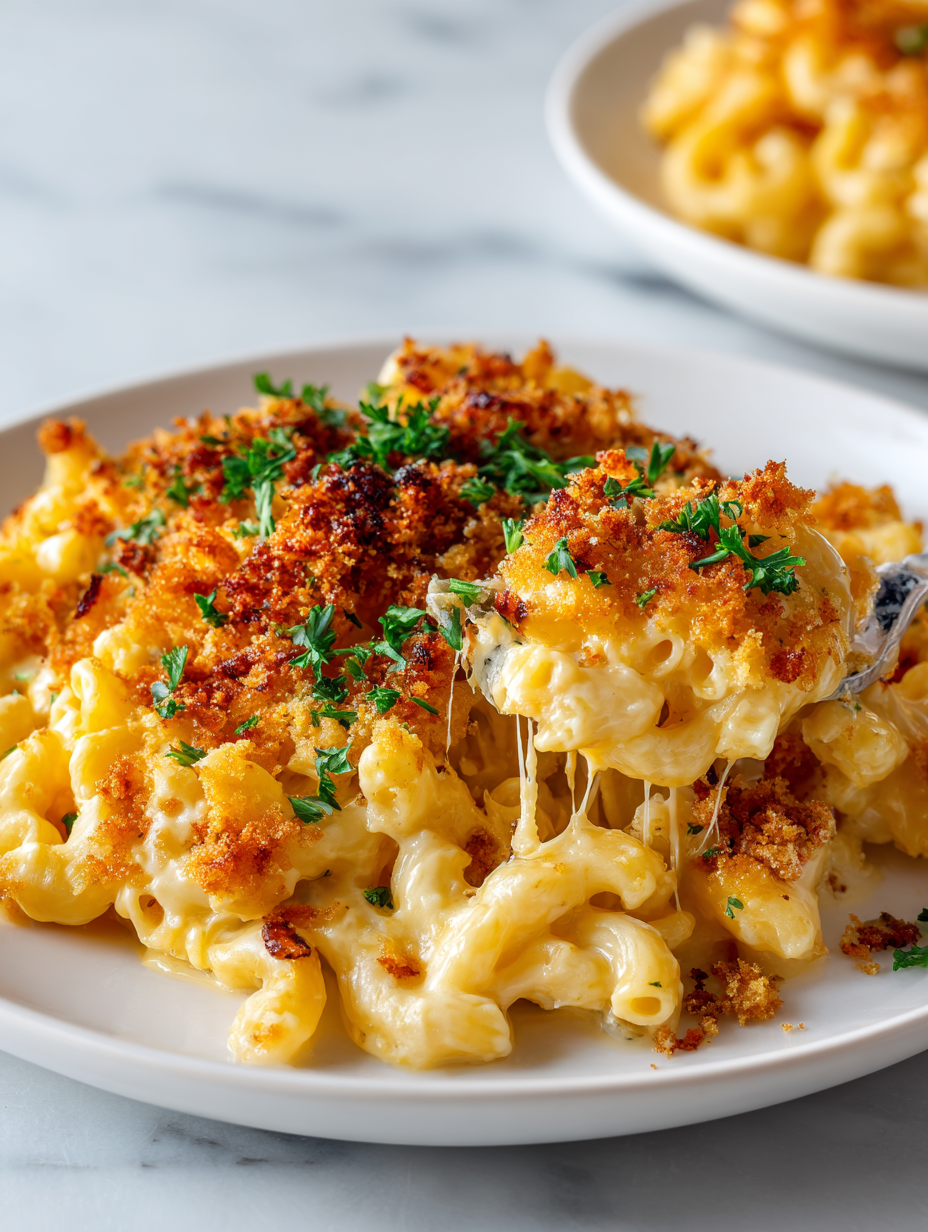
Cooking in a Hell’s Kitchen-style chaos isn’t for the faint-hearted. It’s about quick decisions, bold flavors, and a bit of messy energy. This mac and cheese recipe is no different — it’s raw, unpolished, and honest, just like those intense kitchen moments where everything is moving fast and tasting even faster.
I’ve learned to embrace the chaos with this dish. No fuss, no overthinking, just good cheese, a little heat, and a whole lot of flavor that hits you right in the gut. It’s comfort food, sure, but cooked under pressure, with flavors that are loud and unapologetic. Perfect for those nights when you need a little culinary adrenaline.
There’s something about channeling that high-stakes, no-holds-barred energy that makes this mac and cheese special. It’s a reminder that even in chaos, good food can come together—quick, messy, and totally satisfying. It’s honest cooking, straight from the heat of the kitchen to your plate.
Focusing on the chaos and intensity of a Hell’s Kitchen kitchen, this mac and cheese recipe captures that raw, unpolished energy—like cooking under pressure, with bold flavors and no-fuss techniques that mirror a high-stakes, no-holds-barred culinary environment.
Cooking with Kitchen Chaos
- Cooking in a Hell’s Kitchen-style chaos isn’t for the faint-hearted. It’s about quick decisions, bold flavors, and a bit of messy energy. This mac and cheese recipe is no different — it’s raw, unpolished, and honest, just like those intense kitchen moments where everything is moving fast and tasting even faster.
- I’ve learned to embrace the chaos with this dish. No fuss, no overthinking, just good cheese, a little heat, and a whole lot of flavor that hits you right in the gut. It’s comfort food, sure, but cooked under pressure, with flavors that are loud and unapologetic. Perfect for those nights when you need a little culinary adrenaline.
- There’s something about channeling that high-stakes, no-holds-barred energy that makes this mac and cheese special. It’s a reminder that even in chaos, good food can come together—quick, messy, and totally satisfying. It’s honest cooking, straight from the heat of the kitchen to your plate.
Cooking with Kitchen Chaos
This recipe was born out of my early days in a bustling kitchen where chaos reigned and every second counted. I wanted a mac and cheese that could stand up to those high-pressure moments—something bold, unapologetic, and fast. It’s my go-to when I need comfort without the fuss, and a little bit of that Hell’s Kitchen grit in every bite. Over time, I realized that embracing the chaos—letting the cheese melt quickly, tasting as I go—made it all the more satisfying and true to that high-energy spirit.
Trivia and Historical Notes
- This dish gained notoriety after a notorious Hell’s Kitchen episode where a fiery chef demanded perfection, leading to a surge of home cooks trying to replicate that bold, no-nonsense style.
- Historically, mac and cheese became a comfort staple in American kitchens during the Great Depression, valued for its simplicity and affordability—an unpolished dish that’s been rough around the edges for generations.
- The term ‘Hell’s Kitchen’ originally referred to a rough neighborhood in New York City, known for its tough, no-frills vibe—much like this recipe’s attitude in the kitchen.
Key Ingredients Breakdown
- Cheddar cheese: I love using sharp cheddar for that punch of flavor and gooey melt. Swap for Monterey Jack if you want milder, but don’t skip that cheesy stretch.
- Elbow macaroni: The classic, but I’ve used cavatappi or shell pasta in a pinch. It holds more sauce, making every bite messy and satisfying.
- Whole milk: I prefer it for creaminess, but half-and-half can add richness if you’re feeling indulgent. Skip skim; it won’t give you that velvety texture.
- Butter: Unsalted, always. It’s the base of that rich, toasty aroma. Use browned butter if you want a nutty edge—just watch it carefully.
- Flour: Just a tablespoon for the roux. I keep it simple, but whole wheat flour can add a deeper flavor if you want a rustic feel.
- Mustard powder: A pinch wakes up the cheese and cuts through the richness. Skip if you want plain, but don’t skip it if you like that subtle kick.
- Black pepper: Fresh cracked, it’s bold and pungent. It’s the finishing touch that brings everything together with a little bite.
Spotlight on key ingredients
Cheddar cheese:
- I love using sharp cheddar for that punch of flavor and gooey melt. Swap for Monterey Jack if you want milder, but don’t skip that cheesy stretch.
- Elbow macaroni: The classic, but I’ve used cavatappi or shell pasta in a pinch. It holds more sauce, making every bite messy and satisfying.
Whole milk and butter:
- Whole milk: I prefer it for creaminess, but half-and-half can add richness if you’re feeling indulgent. Skip skim; it won’t give you that velvety texture.
- Butter: Unsalted, always. It’s the base of that rich, toasty aroma. Use browned butter if you want a nutty edge—just watch it carefully.
Notes for ingredient swaps
- Dairy-Free: Use a plant-based cheese and almond or soy milk. It won’t be as rich, but still satisfying.
- Cheddar Cheese: Swap for Gouda or Gruyère for a nuttier, more complex flavor. Less sharp, more mellow.
- Pasta Type: Cavatappi or shells hold sauce better. Skip elbows if you want a different bite.
- Milk: Half-and-half makes it creamier; skim milk keeps it lighter. Adjust the sauce thickness accordingly.
- Butter: Olive oil can work in a pinch, but it adds a different, slightly fruity note.
- Flour: Use gluten-free flour or cornstarch for thickening if needed. Watch for slightly different textures.
- Mustard Powder: Dijon adds a sharper tang; skip if you want milder, but it helps balance the richness.
Equipment & Tools
- Large saucepan: Boil pasta and cook the cheese sauce
- Wooden spoon: Stir pasta and sauce, prevent sticking
- Whisk: Smooth out the roux and cheese sauce
- Baking dish: Bake the assembled mac and cheese
- Oven: Finish cooking and browning the top
Step-by-step guide to mac and cheese
- Gather your equipment: a large saucepan, a wooden spoon, a whisk, a baking dish, and a stove. The saucepan is for boiling and sauce prep, the spoon and whisk for stirring, and the baking dish for finishing in the oven.
- Bring 4 liters (about 4 quarts) of water to a rolling boil in the large saucepan over high heat. Add a generous pinch of salt and the elbow macaroni. Cook for 8-10 minutes until al dente—pasta should be firm but cooked through. Drain and set aside.
- While pasta cooks, prep your cheese sauce. In the same saucepan, melt 4 tbsp unsalted butter over medium heat (around 160°C/320°F). Once melted and fragrant, whisk in 1 tbsp flour and cook for 1 minute, until it’s bubbly and slightly golden.
- Gradually pour in 2 cups whole milk, whisking constantly to prevent lumps. Bring to a gentle simmer—look for small bubbles around the edges and a slight thickening. If it gets too thick or starts to curdle, add a splash more milk to loosen.
- Stir in 1 tsp mustard powder, a pinch of black pepper, and 1 ½ cups shredded sharp cheddar cheese. Continue whisking until the cheese melts completely and the sauce is smooth and oozy. Taste and adjust salt if needed.
- Add the cooked pasta back into the sauce, stirring well to coat every piece in that cheesy goodness. Transfer everything to a greased baking dish, spreading evenly.
- Preheat your oven to 200°C (400°F). Bake the mac and cheese uncovered for 15-20 minutes, until the top is bubbling and golden brown. You want a slight crackle on the surface and a rich, cheesy smell.
- Remove from the oven and let rest for 5 minutes. This lets the sauce thicken slightly and makes plating easier. Serve hot, with a bit of fresh black pepper on top if you like.
Let the baked mac and cheese rest for 5 minutes to settle. Serve straight from the dish, with a sprinkle of black pepper or extra cheese if desired.
How to Know It’s Done
- Cheese sauce is smooth, glossy, and oozy, with no lumps.
- Pasta is tender but holds its shape, not mushy or undercooked.
- Top is golden brown and bubbling, with a slight crackle when you poke it.
Hell’s Kitchen-Style Mac and Cheese
Ingredients
Equipment
Method
- Bring a large pot of salted water to a rolling boil and cook the pasta until al dente, about 8-10 minutes. Drain and set aside.
- In the same saucepan, melt the butter over medium heat until fragrant and slightly bubbling, about 1-2 minutes. This releases a rich, toasted aroma.
- Stir in the flour and whisk constantly for about 1 minute until the roux turns a light golden color and smells toasty.
- Gradually pour in the milk, whisking continuously to prevent lumps. Bring to a gentle simmer and cook until the sauce thickens slightly, about 3-4 minutes, with small bubbles forming around the edges.
- Stir in the mustard powder and a generous pinch of black pepper. Add the shredded cheddar cheese in small handfuls, stirring until melted and the sauce is smooth and glossy.
- Add the cooked pasta into the cheese sauce, stirring well to coat every piece in that luscious, cheesy mixture.
- Transfer the cheesy pasta into a greased baking dish, spreading it out evenly. Preheat your oven to 400°F (200°C).
- Bake uncovered for 15-20 minutes until the top is bubbling and golden brown, with a crispy, crackly surface that signals it’s ready.
- Remove from the oven and let sit for 5 minutes to settle. This rest allows the cheese to set slightly for easier serving.
- Sprinkle with freshly cracked black pepper and serve hot, enjoying the bold, cheesy chaos in every bite.
Pro tips for perfect mac and cheese
- flavor: Use a mix of sharp and mild cheeses to build depth in the sauce.
- Creamy texture: Gradually add milk while whisking to prevent lumps and ensure smoothness.
- Cheese melt: Keep heat moderate when adding cheese to avoid separation or clumping.
- Browning: Broil the top for a minute or two to achieve a crispy, golden crust—watch carefully!
- Sauce consistency: If sauce is too thick, stir in a splash of hot milk or pasta water for looseness.
- Flavor boost: Add a pinch of smoked paprika or cayenne for a subtle smoky or spicy kick.
- Serving: Rest the baked dish 5 minutes before serving—this helps the cheese set and prevents runny slices.
Common mistakes and how to fix them
- FORGOT to salt the pasta water—add salt generously for flavor from the start.
- DUMPED in cheese all at once—add cheese gradually for smooth melting.
- OVER-TORCHED the cheese sauce—lower heat if bubbling too aggressively.
- SKIPPED resting time—let baked mac sit 5 minutes before serving for better texture.
Quick fixes and pantry swaps
- When sauce is too thick, splash in hot milk and stir until silky.
- If cheese clumps, lower heat and add cheese gradually, stirring constantly.
- Splash a bit of pasta water to loosen sauce if it becomes gloopy.
- Patch over burned cheese sauce with a fresh batch of cheese and gentle heat.
- Shield bubbling over in oven with foil or a baking sheet to prevent mess.
Prep, store, and reheat tips
- You can prep the cheese sauce up to 2 days ahead; keep it in an airtight container in the fridge. Reheat gently, stirring frequently, until warm and silky—smells like melted cheese and toasted butter.
- Cook the pasta until just al dente, then rinse with cold water to stop the cooking. Store in a sealed container for up to 24 hours. Reheat in a hot pan with a splash of milk, stirring until creamy and bubbling.
- Assemble the baked mac and cheese a day in advance, cover tightly, and refrigerate for up to 24 hours. Expect the flavors to meld and intensify overnight, with a slightly firmer top when baked.
- Reheating from cold: bake at 180°C (356°F) for 20-25 minutes, until bubbling and golden on top. The smell of cheesy goodness and a crispy surface tell you it’s ready. Serve hot and enjoy that baked crust.
Top questions about Hell’s Kitchen Mac and Cheese
1. Can I use different cheese types?
Use sharp cheddar for that gooey, tangy flavor. Mild cheese like Monterey Jack works too, but it’s less punchy.
2. How al dente should the pasta be?
Cook pasta until just tender, about 8 minutes. Overcooking makes it mushy, undercooking leaves it tough.
3. Why is my cheese sauce grainy?
Add cheese gradually over low heat, stirring constantly. This prevents clumping and gives that smooth, stretchy sauce.
4. How do I know when it’s done?
Bake at 200°C (400°F) until bubbling and golden, about 15-20 minutes. Look for that crispy top and rich aroma.
5. Can I substitute butter?
Use unsalted butter for control over saltiness. Brown it slightly for a nutty aroma that adds depth.
6. Can I prepare this in advance?
Yes, you can make the cheese sauce a day ahead. Reheat gently on the stove, stirring until smooth and hot.
7. My cheese sauce is too thick—what now?
If sauce thickens too much, splash in hot milk or pasta water and stir until creamy again.
8. What equipment do I need?
Use a large saucepan for boiling pasta and making sauce. A baking dish is essential for finishing in the oven.
9. What does mustard do in the recipe?
Add a pinch of mustard powder for a subtle tang that balances the richness of the cheese.
10. Should I add any finishing touches?
For extra flavor, sprinkle freshly cracked black pepper on top before serving. It adds a nice bite.
Cooking this mac and cheese is like channeling that high-pressure, chaotic energy from a busy kitchen. It’s bold, unapologetic, and a bit messy—just like those intense moments that push us to cook with grit.
In the end, it’s all about embracing the chaos, tasting as you go, and enjoying every cheesy, gooey bite. Sometimes the roughest dishes turn out to be the most memorable—kind of like a good night in a Hell’s Kitchen.

Hi, I’m Daniel Whitaker, the voice behind Micromanaging Flavor. For me, micromanaging flavor is not about perfectionism. It is about paying attention. It is about understanding the small adjustments that turn a good dish into a great one. This blog is my space to explore those details and share what I learn along the way.
