
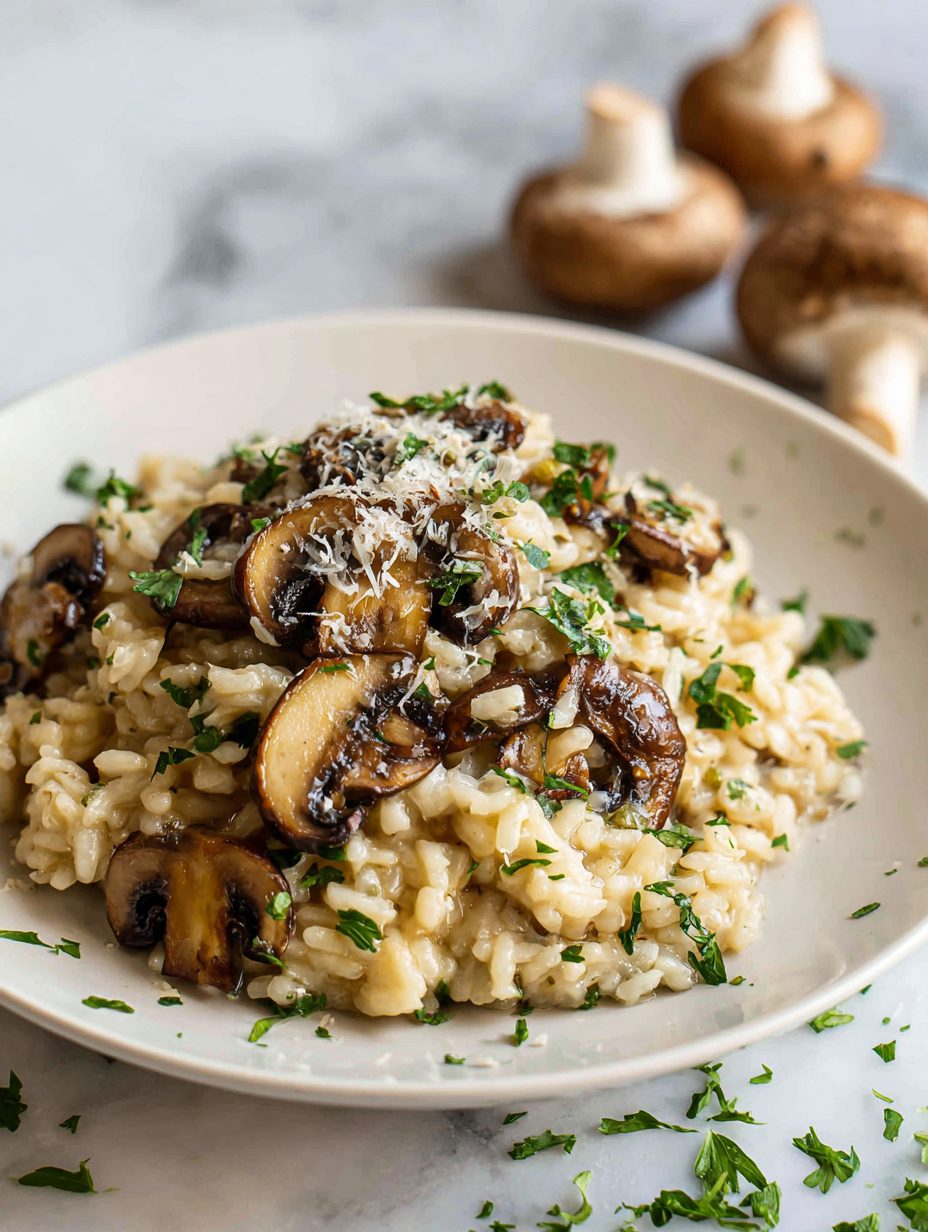
Mushroom risotto is one of those dishes that feels like a warm hug in a bowl, especially when you use a mix of wild and cultivated varieties. I love how the earthy aroma of mushrooms fills the kitchen, making the whole space smell like a cozy forest floor. It’s simple, honest cooking that reminds me of lazy weekend afternoons and the joy of turning humble ingredients into something special.
There’s a quiet magic in how mushrooms transform creamy arborio rice into something rich and textured. I’ve learned that the key is patience—letting each addition of broth soak in slowly, allowing the mushrooms’ umami to deepen and mingle with the rice. It’s a dish that demands attention, but the reward is a deeply satisfying bite that lingers long after you’ve finished.
Focusing on the earthy, umami depth that mushrooms bring to risotto, this recipe explores how different varieties can transform a simple dish into a rich, textured experience. I love how mushrooms can be both humble and luxurious, depending on how you treat them.
The earthy allure of mushrooms
- Cooking this dish always takes me back to my grandmother’s kitchen, where the mushroom aroma filled the air and made everything feel cozy.
- There’s a strange pride in getting the creamy texture just right, knowing I’ve coaxed every bit of umami from those earthy mushrooms.
- I used to think risotto was too fussy, but once you get the hang of stirring patiently, it’s oddly meditative and satisfying.
- When I see the mushrooms soften and release their juices, I feel a little thrill—like I’ve unlocked a secret flavor layer.
- Sharing this risotto with friends always sparks conversations about childhood memories and our favorite mushroom finds.
The earthy allure of mushrooms
- I first stumbled on this mushroom risotto during a rainy weekend, when I needed something grounding and warm. Chopping mushrooms while the rain tapped against the window became a little ritual that made the kitchen feel like a refuge. The way the earthy aroma fills the space, it’s oddly meditative, like a quiet conversation with nature.
- What keeps me coming back to this dish is how versatile and forgiving it is—each mushroom variety adds a new layer of flavor, and the slow stirring turns into a kind of mindful practice. I love how, in the end, it’s just rice, mushrooms, and patience, but the result feels rich, complex, and deeply satisfying. It’s a reminder that simple ingredients, treated right, can create real comfort.
- The process of coaxing every bit of umami from the mushrooms reminds me of my early cooking experiments—messy but rewarding. Sharing it with friends feels like passing on a secret, a small act of culinary kindness. And honestly, no matter how busy life gets, this risotto has a way of making me pause and breathe in the earthy, smoky scent that lingers long after the last bite.
Contextual origin, trivia, or history
- Mushroom risotto has roots in Northern Italy, where foragers historically used wild mushrooms to add flavor to rice dishes.
- The technique of slowly cooking rice with broth to create a creamy texture, known as ‘risotto,’ dates back to the Renaissance period.
- Traditionally, porcini mushrooms are prized in risotto for their deep, smoky flavor, but many regions have their own local mushroom varieties.
- In Italy, mushroom risotto is often served during autumn, aligning with the mushroom harvest season, emphasizing freshness and seasonal ingredients.
Ingredient breakdown
- Mushrooms: I love using a mix of cremini and shiitake for depth; their earthy notes are plush and smoky, but you can swap in oyster or maitake for different textures and flavors.
- Arborio Rice: It’s the heart of the dish—starchy and creamy when cooked right. If you’re out, short-grain sushi rice works in a pinch, but expect a slightly different texture.
- Vegetable Broth: I prefer homemade if I can—rich and layered—but store-bought works fine. Just warm it up before adding to keep the risotto from cooling down.
- Onion & Garlic: They build the base flavor; sauté until translucent and fragrant—this is the moment the kitchen smells like comfort. Skip garlic if you want a milder profile.
- Parmesan & Butter: For that silky finish—use freshly grated Parmesan for the best melt. If dairy-free, nutritional yeast adds umami without the creaminess, but it’s a different vibe.
- White Wine: Adds brightness and acidity—don’t skip it, even a splash. If avoiding alcohol, a little vinegar diluted with water can mimic the tang, but it’s not quite the same.
- Fresh Herbs & Lemon: I finish with parsley and a squeeze of lemon for freshness—brightens up the earthy richness, especially if the mushrooms feel a tad heavy.
Spotlight on key ingredients
Mushrooms:
- I love using a mix of cremini and shiitake for depth; their earthy notes are plush and smoky, but you can swap in oyster or maitake for different textures and flavors.
- Arborio Rice: It’s the heart of the dish—starchy and creamy when cooked right. If you’re out, short-grain sushi rice works in a pinch, but expect a slightly different texture.
- Vegetable Broth: I prefer homemade if I can—rich and layered—but store-bought works fine. Just warm it up before adding to keep the risotto from cooling down.
Mushrooms:
- They soften beautifully, releasing their earthy juices, and develop a deep umami flavor that’s both smoky and plush during cooking.
- Their texture varies—cremini are firm and meaty, shiitake are slightly chewy with a smoky aroma, which adds complexity to each bite.
- When sautéed, they can go from tender to slightly crispy around the edges, adding a satisfying contrast to the creamy rice.
Notes for ingredient swaps
- Dairy-Free: Nutritional yeast can replace Parmesan for umami, but it won’t melt like cheese and adds a nutty, cheesy flavor.**
- Vegetable Broth: Use mushroom or chicken broth for deeper flavor; water with a splash of soy sauce can work in a pinch, though it’s less rich.**
- Mushrooms: Swap in cremini for a milder taste or shiitake for smoky notes; dried porcini rehydrate easily for intense earthiness.**
- Rice: Short-grain sushi rice can substitute Arborio, but expect a slightly different, less creamy texture.**
- Wine: Dry vermouth or apple cider vinegar diluted with water can mimic acidity if you skip alcohol; use sparingly.**
- Herbs & Lemon: Fresh parsley or thyme brighten up the dish; lemon zest instead of juice adds a vibrant aroma.**
- Butter: Olive oil for a vegan version; it adds richness but less velvety finish compared to butter.
Equipment & Tools
- Wide pan: For even heat distribution and easy stirring
- Wooden spoon: Gentle stirring to prevent rice from sticking
- Ladle: To add hot broth in controlled amounts
- Saucepan: To keep broth warm
Step-by-step guide to mushroom risotto
- Gather your equipment: a wide pan (preferably with a heavy base) for even heat, a wooden spoon for gentle stirring, and a ladle for adding broth. Keep everything within reach.
- Heat vegetable broth in a pot over medium-low heat until simmering, then reduce to low. It needs to stay hot but not boil vigorously.
- Clean and chop a mix of mushrooms—about 300g—into slices, aiming for uniform thickness. Set aside.
- In your wide pan, melt 2 tablespoons of butter over medium heat. Once melted, add 1 finely chopped onion and cook until translucent, about 5 minutes. Add 2 minced garlic cloves, cook for another 30 seconds until fragrant.
- Add the chopped mushrooms to the pan. Cook until they soften and release their juices—about 8–10 minutes. They should be golden and slightly caramelized. If they start to stick, add a splash of broth.
- Stir in 1.5 cups of Arborio rice. Toast the rice for 2 minutes, stirring constantly, until edges are translucent and slightly shiny. This step helps the rice absorb flavors better.
- Pour in 1/4 cup of dry white wine. Stir until the wine mostly evaporates and the rice is glistening. This adds brightness and depth.
- Begin adding hot broth, one ladleful (about 1/2 cup) at a time. Stir constantly and wait until the liquid is mostly absorbed before adding more. Maintain a gentle simmer. This process takes about 20–25 minutes.
- Continue adding broth, stirring, and waiting for absorption. The rice should become creamy and tender but still have a slight bite—taste test at 20 minutes, then more if needed.
- When rice is just tender and the risotto is creamy, remove from heat. Stir in 2 tablespoons of grated Parmesan and a squeeze of lemon juice for brightness. Adjust salt and pepper to taste.
- Let the risotto rest for 2 minutes, covered loosely. Then, serve immediately, topped with extra Parmesan and fresh herbs if desired.
Let the risotto sit off heat for a couple of minutes, then stir in fresh herbs and lemon juice. Serve immediately, topped with extra Parmesan. The residual heat will keep it warm and velvety.
How to Know It’s Done
- Mushrooms are golden and fragrant, juices are reduced but not burnt.
- Rice is creamy but not mushy, with a slight bite when tasted.
- Risotto has a glossy, velvety appearance, with a gentle jiggle when shaken in the pan.
Mushroom Risotto
Ingredients
Equipment
Method
- Start by heating your vegetable broth in a saucepan over low heat until simmering, keeping it warm throughout the process.
- Clean and slice your mushrooms into even pieces, aiming for a uniform thickness to ensure even cooking.
- Heat your wide pan over medium heat and add a tablespoon of butter. Once melted and bubbling softly, add the chopped onion and sauté until translucent and fragrant, about 5 minutes.
- Add the sliced mushrooms to the pan and cook until they soften and release their earthy juices, about 8–10 minutes. Stir occasionally until they turn a lovely golden color.
- Stir in the Arborio rice and cook for 2 minutes, allowing the edges to become slightly translucent and to toast lightly, which enhances the flavor.
- Pour in the white wine and stir until it’s mostly evaporated and the rice looks glossy and plump, infusing the mixture with brightness.
- Begin adding the warm broth, one ladleful at a time, stirring gently and waiting until the liquid is mostly absorbed before adding more. Continue this process, maintaining a gentle simmer, for about 20–25 minutes, until the rice is tender but still has a slight bite.
- Once the rice reaches the desired creaminess and tenderness, remove the pan from heat. Stir in the remaining butter, grated Parmesan, and a squeeze of lemon juice for brightness. Season with salt and pepper to taste.
- Let the risotto rest for a couple of minutes, then give it a final stir to combine all the flavors and achieve a velvety, glossy texture.
Top cooking tips
- Bold flavor layering: Sauté the mushrooms until deeply golden to develop their smoky, umami-rich juices—skip this step for less depth.
- Gentle stirring: Keep the rice moving slowly and consistently to release starch and achieve that silky, velvety texture.
- Broth temperature: Keep your broth simmering hot—adding cold liquid cools the rice and prolongs cooking time, affecting creaminess.
- Timing patience: Wait until each ladleful of broth is almost fully absorbed before adding the next—this slow process is key to creaminess.
- Final touch: Off the heat, stir in cold butter and freshly grated Parmesan—this quick step elevates the risotto’s richness and gloss.
- Taste as you go: Regularly sample the rice—aim for a tender bite with a slight bite in the center to avoid mushiness.
- Rest before serving: Let the risotto sit off heat for 2 minutes, uncovered—this helps it set and enhances the flavor.
Common mistakes and how to fix them
- FORGOT to stir continuously → Stir gently but constantly to prevent sticking.
- DUMPED all broth at once → Add broth gradually for creamy, even cooking.
- OVER-TORCHED mushrooms → Cook mushrooms over medium heat until golden, not burnt.
- SKIPPED resting time → Let risotto rest 2 minutes for better texture and flavor.
Quick kitchen fixes
- When sauce shimmers and crackles, it’s ready for the risotto—don’t wait too long.
- Splash cold water on a burnt pan, then add oil—quick rescue for stubborn bits.
- Patch over a cracked lid with aluminum foil to prevent splatters during simmering.
- If rice feels undercooked, add a splash of hot broth and cook a few more minutes.
- DUMPED in too much broth? Stir vigorously and cook uncovered for a few minutes to thicken.
Prep, store, and reheat tips
- You can prep the mushroom chopping and broth warming a day ahead; keep mushrooms in an airtight container in the fridge, and broth in a covered pot. The earthy aroma will tease you all day.
- Cook the risotto up to the final stir, then cool quickly and store in an airtight container in the fridge for up to 2 days. Reheat gently on the stove over low heat, stirring in a splash of hot broth to revive the creamy texture—look for the glossy, velvety sheen.
- Reheated risotto tends to thicken and lose some of its initial creaminess. Add a bit more warm broth or water during reheating to loosen it up and restore its richness. Expect a slightly more intense mushroom flavor after sitting—part of the charm.
- For longer storage, you can freeze portions for up to 1 month. Thaw in the fridge overnight, then reheat on the stove, adding broth as needed. The texture will be slightly softer, but the earthy aroma still lingers invitingly.
Top questions about mushroom risotto
1. What mushrooms are best for risotto?
Use a mix of mushrooms for a richer flavor; porcini, shiitake, and cremini are popular choices. Sauté until golden for maximum umami. If you want a smoky kick, add dried porcini rehydrated in hot water.
2. How do I get the perfect creamy texture?
Stir constantly during cooking to release starch and achieve a creamy, velvety texture. Use a wide pan to help heat distribute evenly and prevent sticking. Keep your broth simmering so it’s ready to add in small ladles.
3. How do I know when the risotto is done?
Add the broth gradually, about half a cup at a time, waiting until it’s mostly absorbed before adding more. Taste the rice often—aim for tender but with a slight bite. Finish with a knob of butter and cheese off the heat for gloss and richness.
4. Can I make risotto ahead?
Yes, you can prepare some ingredients ahead—chop the mushrooms and warm the broth a day in advance. Reheat gently on the stove with a splash of broth, stirring until creamy. The flavors deepen after sitting, making it even more savory.
5. What if my risotto is too thick or too runny?
If the risotto turns out too thick, stir in a little hot broth or water to loosen it. When it’s too watery, cook uncovered for a few more minutes until it thickens and becomes velvety again. Keep an eye on the texture and appearance—glossy and creamy means it’s just right.
6. How can I make it dairy-free or vegan?
Use freshly grated Parmesan cheese for the best melt and flavor. If you’re dairy-free, nutritional yeast adds umami but won’t melt as smoothly. For a richer finish, stir in cold butter and lemon juice right at the end.
7. How should I cook the mushrooms?
Sauté the mushrooms until deeply golden—this enhances their earthy aroma and smoky flavor. Use a combination of varieties for complexity. When they start to brown and release juices, they’re ready to add to the rice.
8. What’s the biggest mistake to avoid?
Don’t rush the process—adding broth gradually and stirring continuously is key. Use a gentle simmer for the broth, and keep your heat medium to avoid burning. Taste often and stop cooking when the rice is tender with a slight bite.
9. How should I serve and finish the risotto?
Finish the risotto with a squeeze of lemon and fresh herbs like parsley or thyme. This brightens the earthy mushroom flavors. Serve immediately for the best velvety texture and aroma. Resting briefly off heat helps it set slightly.
10. Can I customize the flavors or ingredients?
Yes, dried porcini mushrooms rehydrated in hot water add an intense smoky flavor. You can also use a splash of dry white wine for brightness. Experiment with different herbs—thyme, rosemary, or a bit of sage—depending on your taste.
Cooking this mushroom risotto feels like a small act of patience and care, turning humble ingredients into something deeply satisfying. It’s a dish that invites you to slow down and really taste the earthiness and richness of the mushrooms, especially when you let the rice soak up those flavors.
In a world that moves fast, a bowl of risotto reminds me that good things happen when we take our time and pay attention to the small details. It’s a simple comfort, perfect for cozy nights or when you need a bit of grounding—something to make the kitchen smell like a forest and the soul a little lighter.

Hi, I’m Daniel Whitaker, the voice behind Micromanaging Flavor. For me, micromanaging flavor is not about perfectionism. It is about paying attention. It is about understanding the small adjustments that turn a good dish into a great one. This blog is my space to explore those details and share what I learn along the way.
