
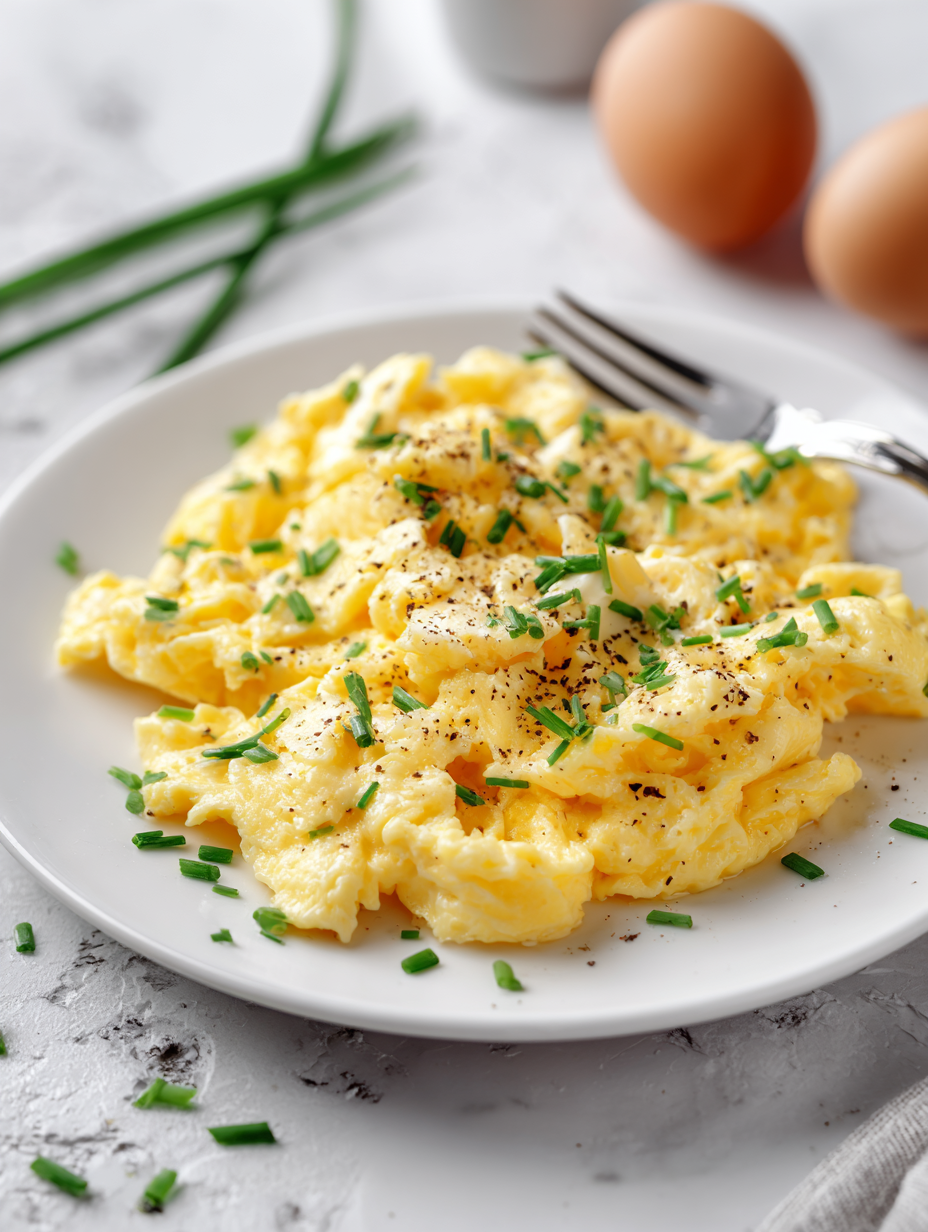
Perfect scrambled eggs aren’t about rushing or high heat; they’re about patience and gentle handling. I’ve found that treating eggs like a delicate custard transforms breakfast from routine to something special. It’s that slow, almost meditative process that makes all the difference in achieving that creamy, soft consistency.
This approach might feel a bit fussier at first, but once you get the rhythm, it’s surprisingly calming. The smell of butter melting into eggs, the gentle crackle as they start to set—these small moments turn a quick morning task into a quiet ritual. It’s a reminder that good food often comes from slowing down and paying attention.
Focusing on the importance of gentle, low heat and constant stirring to achieve the creamiest, most custard-like scrambled eggs, treating the process almost like a delicate ritual rather than just a quick breakfast scramble.
The art of gentle scrambling
- Getting the texture just right feels like a small victory every time.
- There’s a nostalgic comfort in the simple act of stirring eggs slowly.
- I love how the gentle heat preserves their softness and brings out a rich, buttery aroma.
- Sometimes, I’m surprised how much a pinch of patience changes the dish entirely.
- It’s a quiet moment of focus, almost meditative, before starting the day.
The art of gentle scrambling
I remember the first time I truly paid attention to how I scrambled eggs. It was a lazy Sunday morning, and I decided to slow down and really focus on the process. The eggs turned out so much creamier and more tender than any rushed scramble I’d ever made. Since then, I’ve been obsessed with recreating that perfect texture, always tweaking until I found what feels right to my taste buds. It’s become a small ritual, a moment of calm before the day really begins.
Scrambled Eggs Trivia & Origins
- Scrambled eggs date back to ancient Persia, where they were cooked with saffron and herbs.
- The classic American scramble became popular in the early 20th century, emphasizing quick, hearty breakfasts.
- French chefs perfected a softer, custard-like scramble, using gentle heat and constant stirring.
- Eggs were once considered a symbol of prosperity, often served at celebratory breakfasts in many cultures.
- The technique of low-and-slow scrambling gained popularity with chefs seeking creamier textures, influencing modern breakfast trends.
Ingredient breakdown for perfect scramble
- Eggs: I always pick large, fresh eggs—they crack into a bright, aromatic shell and whip up with a rich, slightly nutty aroma. You can try older eggs for a slightly firmer texture if you prefer a more structured scramble.
- Butter: I melt a good knob of butter until it’s just starting to foam and smell nutty—this gives the eggs a silky, decadent quality. For a lighter version, swap in olive oil, but expect a slightly less creamy result.
- Salt: I add a pinch of fine sea salt early to help break down the eggs and enhance their natural flavor. Feel free to adjust the amount based on your taste, but don’t skip it altogether for that savory punch.
- Cream (optional): I sometimes swirl in a splash of heavy cream at the end for extra richness—look for that milky shine and slightly thickened texture. Skipping it keeps the eggs lighter and more straightforward.
- Pepper: I prefer freshly cracked black pepper, sprinkled at the end for a spicy, aromatic kick. For a milder touch, use white pepper or skip it if you want pure egg flavor.
- Chives or herbs (optional): I love adding chopped chives for a pop of color and mild onion brightness—look for fresh, vibrant green and a clean, grassy scent. Dried herbs can work, but fresh is best for that bright note.
- Milk or alternative: I sometimes add a splash of milk or plant-based milk for extra creaminess—look for a slight shimmer and a subtle smell of dairy or nuttiness, depending on your choice. Skip it if you prefer a denser texture.
Spotlight on key ingredients
Eggs:
- I choose large, fresh eggs—they crack with a bright, clean shell and whip up with a rich, slightly nutty aroma. Slightly older eggs can give a firmer texture if you prefer a more structured scramble.
- Butter: I melt a good knob of butter until it’s just starting to foam and smell nutty—this imparts a silky, decadent quality. For a lighter touch, swap in olive oil; expect a slightly less creamy result.
Butter:
- I melt a good knob of butter until it’s just starting to foam and smell nutty—this imparts a silky, decadent quality. For a lighter touch, swap in olive oil; expect a slightly less creamy result.
- Salt: I add a pinch of fine sea salt early to help break down the eggs and boost their natural flavor. Adjust to taste, but don’t skip for that savory punch.
Notes for ingredient swaps
- Dairy-Free: Use coconut cream or almond milk instead of cream for richness, but expect a slightly thinner, less custardy texture.
- Vegan Butter: Swap in a plant-based butter or margarine; it melts similarly but may lack that nutty aroma.
- Salt: Try sea salt or kosher salt for a cleaner, more delicate flavor—adjust quantity as they’re more concentrated.
- Herbs: Fresh chives or parsley can be replaced with dried herbs like thyme or basil, though they’ll be less vibrant.
- Pepper: White pepper provides a milder heat, or skip pepper altogether for a purer egg flavor.
- Eggs: For a slightly different texture, try duck eggs—they’re richer and make the scramble extra creamy.
- Add-ins: Instead of chives, toss in diced tomatoes or smoked salmon after cooking for a different burst of flavor.
Equipment & Tools
- Non-stick skillet: Ensures eggs don’t stick and cooks evenly.
- Silicone spatula: Gently folds eggs without breaking curds, controlling the texture.
- Small bowl: Whisks eggs quickly and evenly, avoiding overmixing.
Step-by-step guide to perfect scramble
- Gather your equipment: a non-stick skillet, a silicone spatula, and a small bowl for whisking. Keep everything within arm’s reach to stay relaxed.
- Crack 3 large eggs into the bowl. Add a pinch of sea salt and whisk gently until the yolks and whites are just combined. No need for perfection—just a slight froth.
- Heat the skillet over very low heat—about 90°C (194°F). Add a generous knob of butter, letting it melt slowly until it’s just starting to foam and smell nutty.
- Pour the eggs into the skillet. Let them sit undisturbed for a few seconds, then start stirring gently with your spatula, pushing from the edges toward the center.
- Keep the heat low and stir continuously, almost like folding a delicate custard. Watch for the eggs to start forming soft curds—this takes about 2–3 minutes. The texture should be creamy and slightly runny when you remove from heat.
- Check the eggs: they should jiggle slightly when shaken, look shiny and moist, and have no liquid egg left. If they’re still too runny, give them another 30 seconds and stir gently.
- Remove from heat just before they’re fully set—they’ll carry residual heat for a bit, finishing to perfection off the stove.
- Finish with a crack of black pepper, a sprinkle of chopped chives or herbs if you like, and serve immediately. Rest for a minute if needed, but don’t wait too long or they’ll firm up.
Serve immediately while warm and creamy. If needed, let them rest for a minute off heat to settle. Plate softly, letting the eggs’ natural shine and curds shine through.
How to Know It’s Done
- Eggs jiggle slightly when shaken and look glossy.
- No visible liquid egg in the pan, but still creamy and moist.
- A faint buttery aroma and soft curds forming without browning.
Creamy Gentle Scrambled Eggs
Ingredients
Equipment
Method
- Crack the eggs into a small bowl and add a pinch of sea salt. Whisk gently until just combined, with a slight froth on top.
- Place a non-stick skillet over very low heat, about 90°C (194°F). Add the butter and let it melt slowly, until it starts to foam and emits a nutty aroma.
- Pour the whisked eggs into the skillet. Let them sit undisturbed for a few seconds until they just start to set around the edges, with a gentle bubbling sound.
- Start stirring gently with a silicone spatula, pushing the eggs from the outer edges toward the center. Maintain a slow, steady motion to keep the eggs creamy and prevent curdling.
- Continue stirring slowly and evenly for about 2–3 minutes. The eggs should form soft, glossy curds and be slightly runny when you lift the spatula. Keep the heat low to avoid browning.
- If desired, swirl in a splash of heavy cream for extra richness. Remove the skillet from heat just before the eggs are fully set—they will finish cooking with residual heat and stay luxuriously moist.
- Finish by cracking some black pepper over the eggs and sprinkling with chopped chives or herbs if you like. Serve immediately while the eggs are warm, soft, and shiny.
Pro tips for perfect scrambled eggs
- Low and slow: Keep the heat gentle—around 90°C (194°F)—to avoid curdling and achieve creamy eggs.
- Constant stirring: Use a silicone spatula to gently push eggs from edges to center—develops silky curds.
- Remove early: Take eggs off heat just before they fully set—they’ll finish cooking off the stove.
- Use butter generously: Melt butter slowly until it’s nutty and foaming—imparts richness and prevents sticking.
- Pay attention to texture: Look for shiny, slightly runny eggs with soft curds—don’t overcook for that perfect creamy consistency.
- Adjust seasoning early: Add salt while whisking to evenly enhance flavor and break down proteins for a tender scramble.
- Finish with herbs: Stir in fresh herbs at the end for a burst of brightness—avoid adding too early, which can wilt their flavor.
Common mistakes and how to fix them
- SCRAMBLED EGGS DUMPED IN HOT PAN, FIX BY LOWERING HEAT IMMEDIATELY.
- OVERTURNED EGGS DITCHED, FIX BY REMOVING EARLY AND CARRYING RESIDUAL HEAT.
- TOO DRY EGGS, FIX BY STOPPING COOKING JUST BEFORE SETTING POINT.
- EGGS STICKED, FIX BY USING NON-STICK PAN AND ENOUGH BUTTER.
Quick fixes and pantry swaps
- When eggs stick, splash a bit more butter and lower heat immediately.
- If eggs are over-torched, remove from heat early and stir in residual warmth.
- Dumped eggs too runny? Fix by removing from heat sooner and stirring continuously.
- Overmixed eggs can turn rubbery—use gentle folds and stop when just combined.
- Shield cracked eggs with a splash of water or milk for extra fluff and moisture.
Prep, store, and reheat tips
- Whisk eggs and season with salt a day ahead in a sealed container; keep refrigerated for up to 24 hours, but expect slightly less fluffiness.
- Melt butter in advance and store in a jar at room temperature or fridge; reheat gently until just warm for smooth melting during cooking.
- Chop herbs like chives or parsley ahead; store in an airtight container in the fridge for up to 2 days, preserving their bright aroma.
- Prepare your mixing bowl and spatula before cooking; keep handy for a quick, relaxed scramble without scrambling in the moment.
- Reheat pre-whisked eggs slowly in a double boiler or microwave at low power—watch for a gentle steam and a slight froth to avoid overcooking.
Top questions about perfect scrambled eggs
1. Should I use cold or room temperature eggs?
Use eggs at room temperature; they whip up fluffier and mix more evenly, giving a creamier scramble.
2. Why add salt before cooking?
A pinch of salt early on helps break down proteins, making eggs softer and more tender during cooking.
3. What’s the ideal cooking temperature?
Cook eggs on very low heat, around 90°C (194°F), stirring constantly for that custard-like, silky texture.
4. When should I take the eggs off the heat?
Remove eggs from heat just before they look fully set—they’ll finish cooking off the stove, staying creamy and moist.
5. How do I fix runny scrambled eggs?
If eggs seem watery or runny, give them a few more seconds on low heat, stirring gently, until they thicken slightly.
6. Can I skip butter in scrambled eggs?
Adding a small knob of butter while cooking enhances richness and creates a smooth, glossy finish.
7. When should I add herbs to scrambled eggs?
Fresh herbs like chives or parsley added at the end provide bright flavor and color—dried herbs work, but less vibrantly.
8. What’s the best tool for scrambling eggs gently?
Use a silicone spatula for gentle folding, which helps develop soft curds without breaking them apart.
9. How do I reheat scrambled eggs without drying them out?
Reheat leftovers slowly over low heat or in a double boiler to keep the eggs moist and prevent overcooking.
10. What’s the biggest mistake when making scrambled eggs?
Overcooking causes eggs to become rubbery and dry—stop cooking when they’re just slightly runny and shiny.
Mastering the gentle art of scrambling eggs has made breakfast feel more intentional, more satisfying. It’s about that moment when the soft curds glisten and the aroma of butter fills the kitchen—pure comfort. This quiet process reminds me that good things often come from patience and attention.
Even on busy mornings, taking a few extra minutes to do it right transforms a simple meal into a small act of care. The creamy texture, the subtle richness—these little details stick with me long after the plate is cleared. It’s a reminder that sometimes, the simplest foods are the most worth paying attention to.

Hi, I’m Daniel Whitaker, the voice behind Micromanaging Flavor. For me, micromanaging flavor is not about perfectionism. It is about paying attention. It is about understanding the small adjustments that turn a good dish into a great one. This blog is my space to explore those details and share what I learn along the way.
